Wetland Nature Reserves
Paget Marsh Nature Reserve
Paget Marsh Nature Reserve
Location: Lovers Lane, Paget.
Open free from dawn to dusk.
Spittal Pond Nature Reserve
Spittal Pond Nature Reserve
Location: Lovers Lane, Paget.
Open free from dawn to dusk.
Sherwin Nature Reserve including Warwick Pond
Sherwin Nature Reserve including Warwick Pond
Location: Olive Bank Drive, Warwick.
Open free from dawn to dusk.
Higgs Nature Reserve
Devonshire Marsh Nature Reserve
Devonshire Marsh Nature Reserve
Location: Jubilee Road & Vesey Street, Devonshire
NOT OPEN TO THE PUBLIC
Gibbons Nature Reserve
HT North Nature Reserve
HT North Nature Reserve
Location: Mangrove Lake, South Road, Smith’s Parish.
NOT OPEN TO THE PUBLIC
JMH Cooper Nature Reserve
JMH Cooper Nature Reserve
Location: South Road, Smith’s Parish.
NOT OPEN TO THE PUBLIC
Location: Lovers Lane, Paget. Open free from dawn to dusk.
Step into a landscape that has remained largely unchanged for centuries at Paget Marsh Nature Reserve. This lush 25-acre sanctuary offers a rare glimpse of Bermuda before settlement, where an ancient peat marsh lies beneath a dense canopy of native cedar and palmetto forest.
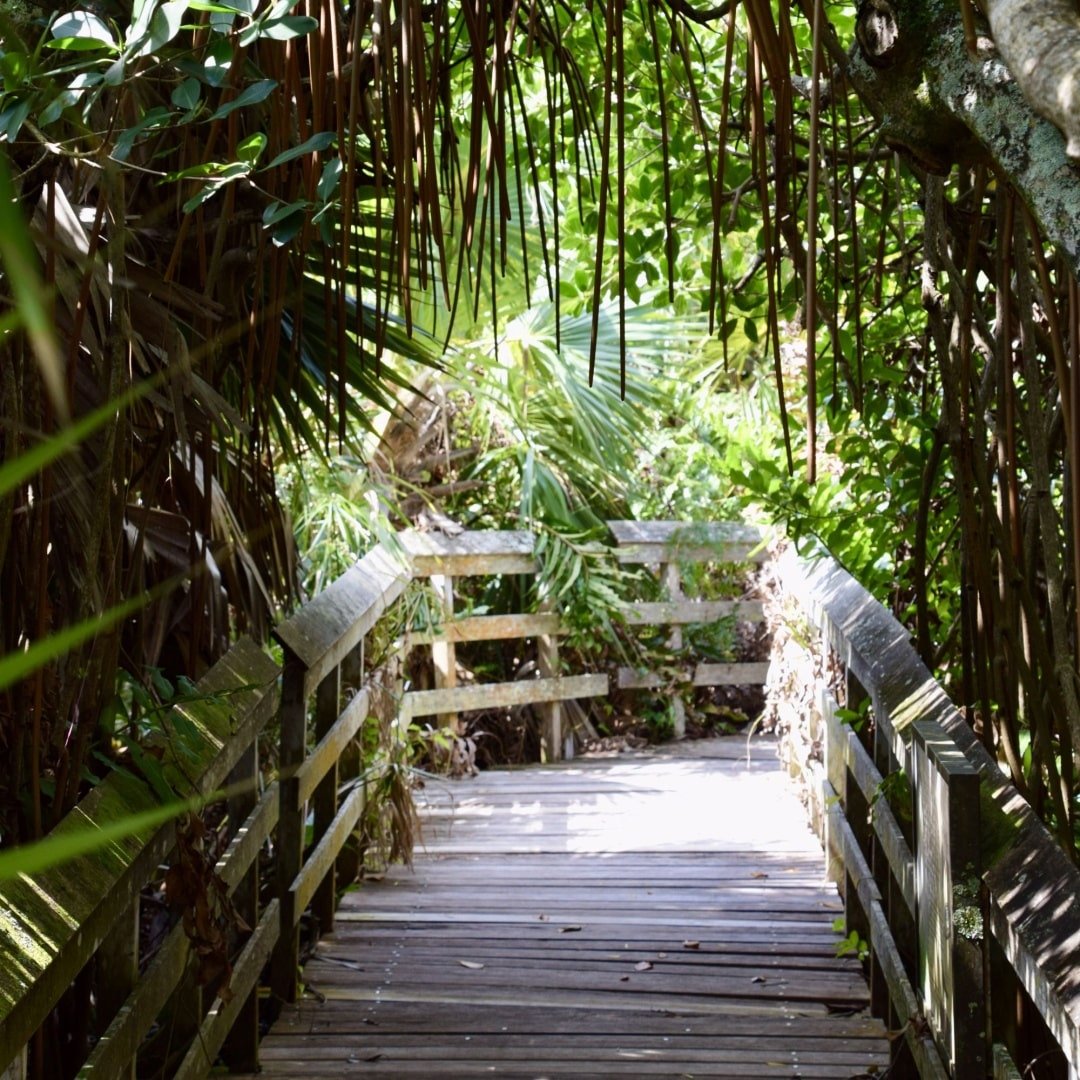
A wheelchair-accessible wooden boardwalk invites visitors to explore this unique ecosystem, winding past the tranquil pond, mangroves, and sawgrass wetlands before leading into the heart of the forest. Along the way, you’ll discover one of Bermuda’s most important natural habitats, rich in native plants and wildlife.
Keep an eye out for the many resident and migratory birds that make the pond and marsh their home. Interpretive signs throughout the reserve reveal the fascinating story of the peat marsh – from its origins thousands of years ago to the ongoing efforts to protect and preserve this remarkable environment for future generations.
The Bermuda National Trust owns approximately 17 acres of the reserve including the publicly accessible areas, car park and farmland. The Bermuda Audubon Society owns 8 acres in the heart of the marsh.
For more detailed information on Paget Marsh Nature Reserve, view and download our Paget Marsh Visitor Guide.
This nature reserve is sponsored by 

Location: South Road, Smith’s Parish. Open free from dawn to dusk.

Discover one of Bermuda’s most breathtaking natural landscapes at Spittal Pond Nature Reserve. Spanning 64 acres, it is the island’s largest nature reserve and premier bird sanctuary, offering an extraordinary diversity of habitats and some of the best birdwatching in Bermuda – especially during the spring and autumn migration seasons.
Whether you’re an avid birder or simply looking for a scenic walk, Spittal Pond has something for everyone. Follow the picturesque loop trail through coastal cliffs, wetlands, woodlands, and open grasslands while taking in sweeping ocean views. Along the way, you’ll encounter some of Bermuda’s most fascinating natural and historic landmarks, including Portuguese Rock, believed to contain the island’s earliest evidence of human visitors; Jeffrey’s Cave, where local legend tells of an escaped enslaved man who found refuge there; and the striking geological formation known as the Checkerboard.
Interpretive signs throughout the reserve provide a self-guided journey, bringing the landscape to life with stories about its history, wildlife, habitats and native plants.
The reserve’s central pond and surrounding wetlands are owned and protected by the Bermuda National Trust, while the adjoining parkland and farmland are managed by the Bermuda Government. Convenient parking is available at both the eastern and western entrances, making it easy to explore this remarkable natural treasure.
For more detailed information on Spittal Pond Nature Reserve, view and download our Spittal Pond Visitor Guide.
This Nature Reserve is sponsored by

Every spring, we host the Annual Children’s Nature Walk at Spittal Pond Nature Reserve, a fun and educational event that invites children, parents, grandparents, and teachers to explore the beauty of our nature reserve.
Guided by local experts, participants discover the reserve’s unique habitats, flora, and fauna, gaining a deeper appreciation for Bermuda’s natural environment.
For a glimpse of this special event, watch the video below:
https://youtu.be/DhTi5EzGuXA
Location: Olive Bank Drive, Warwick. Open free from dawn to dusk.

Discover the peaceful beauty of Sherwin Nature Reserve, a 9-acre sanctuary centred around Bermuda’s second-largest freshwater pond. This important wetland provides a haven for resident and migratory waterfowl, making it a rewarding destination for birdwatchers and nature enthusiasts throughout the year.
Beyond the pond, explore the wooded hillside that forms part of the extensive woodland corridor along the Warwick Railway Trail. Here you’ll find some of Bermuda’s largest allspice trees, along with a number of surviving endemic Bermuda cedars – living reminders of the island’s natural heritage.
A self-guided nature trail begins near the parking area and winds through the woodland on both sides of the Railway Trail. Interpretive signs along the route introduce visitors to the reserve’s unique habitats, native plants, and wildlife, making Sherwin Nature Reserve an enjoyable and educational experience for all ages.
For more detailed information, view or download our Sherwin Nature Reserve Visitor Guide.
This nature reserve is sponsored by

Location: Middle Road, Warwick. Open free from dawn to dusk.
 The Higgs Nature Reserve is the southern portion of the Trust’s Tivoli property, bequeathed to the Trust in 1984 by Gloria Higgs. This small area of wetland is all that remains of the Warwick West marsh, which once covered the whole of this valley. Most of the marsh was filled in with dumped trash in the 1960s and 1970s, but Miss Higgs refused to allow the Tivoli marshland to be filled. As development grew up around it, this small reserve was saved by a generous gift from the family of the late Sir John (Jack) Sharpe, a former Premier of Bermuda. The pond is now known as Jack’s Pond.
Location: Jubilee Road & Vesey Street, Devonshire NOT OPEN TO THE PUBLIC
Devonshire Marsh is the largest contiguous open space in Bermuda, giving the area significant aesthetic and ecological value. The marsh is comprised of a west basin, between Jubilee Road and Parson’s Lane, and an east basin, between Middle Road and Vesey Street. Containing Bermuda’s largest peat marsh habitat and fresh water lens, the marsh was never used for dumping rubbish, unlike most wetlands in Bermuda. It was, however, extensively filled around the edges with quarry waste to create farmland for growing celery, which, unusually, enhanced the value of the habitat. This filled area later became wet pasture. The habitat of the original marsh largely consists of sawgrass and bracken-fern savannah.
In the mid 20th century, to control mosquitos the Department of Health dug ditches around the marsh and created open water areas in which mosquito larvae-eating Gambusia fish could flourish. This also added to the habitat value, although today the ditches have become overgrown with invasive cattail.
Unlike some of Bermuda’s peat marshes, because of its brush fire prone habitat, Devonshire Marsh has been extensively burned, first in the “great fire” of 1914, and most recently in 2018.
A total of 35 acres of the marsh are under the protected ownership of the Trust, some of it owned jointly with the Bermuda Audubon Society.

Location: South Road, Devonshire NOT OPEN TO THE PUBLIC

This 3.2 acre reserve is known for its distinctive avenue of ancient Bermuda Palmetto along the South Road – possibly relics of the original pre-colonial forest. It lies in the southern section of Devonshire’s two major valley configurations, forming part of a long chain of marshlands extending along the South Shore on the lee side of what were once sand dunes. The marsh is a sanctuary for migrating birdlife. It is an important nesting site for Moorhen or Common Gallinule.
Formerly known as Smith’s Marsh, it was once filled with sedges, rushes, Palmetto, Bermuda Cedar and Wax Myrtle. People were starting to use this marsh as yet another dump site, leading philanthropic local businessman Edmund Gibbons to acquire it “in order to protect this beautiful section of marsh along the South Shore Road from being filled in as a garbage dump.”
The land was donated to the Trust in 1976 in memory of Sir Edmund by his sons, former premier Sir David Gibbons and former mayor of Hamilton Graham Gibbons. The Trust dug out the area that had been filled with trash, making a pond, and the Bermuda Audubon Society funded the laying of power lines underground to save birds from flying into them.
Location: Mangrove Lake, South Road, Smith’s Parish NOT OPEN TO THE PUBLIC
In 1975 the heirs of Mr. and Mrs. Henry Thompson North gave a portion of Mangrove Lake and an acre of land to the National Trust in memory of their parents. Over the next few years, the Trust ran a ‘Save Open Spaces’ fund-raising campaign and purchased a neighbouring lot, making the reserve 4.5 acres. The reserve protects an extensive stand of shoreline mangroves as well as the wooded hillside to the west.
HT North is one of the most important reserves in the Trust’s care, with two critically important ecosystems – a saltwater pond and pond mangroves – as well as the upland woodland. Bermuda’s saltwater ponds boast a remarkable diversity of species, second only to coral reefs. Mangrove Lake is the largest, and its size contributes both to its stability and to the variety of life it supports. It is one of the only two sites where the native Diamond Terrapin breeds, and is home to two breeding herons – the Yellow-crowned Night Heron and the Green Heron, which feeds on the endemic Bermuda Killifish. The Red Mangroves edging the western side of Mangrove Lake contribute greatly to the concentration of biodiversity and provide shelter for many unique marine species such as algae, sponges and oysters on their submerged prop roots. Mangrove Lake and Trott’s Pond have been proposed for designation as Ramsar sites because they “represent Bermuda’s largest enclosed brackish/salt water ponds.”
Location: South Road, Smith’s Parish NOT OPEN TO THE PUBLIC
This 1.7 acre reserve is located near the HT North Nature Reserve. About a quarter-acre is arable, and is leased to a farmer, while the remainder of the property comprises peat marsh with no open water.
Gerald Dupont Hollis, a farmer, owned this land for many years. Subject to a preservation agreement, it passed through the family until it was sold to the Trust at a very generous rate in 2000.
